
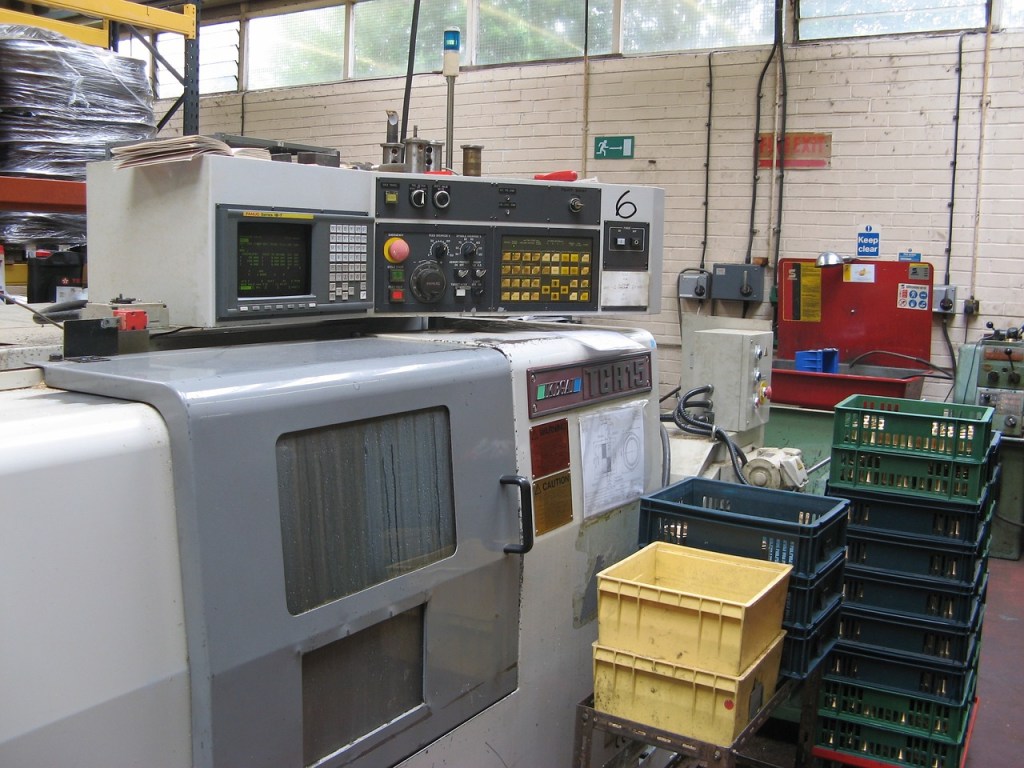
Medical devices play a crucial role in improving the quality of life for patients worldwide, offering innovative solutions for a wide range of healthcare needs. However, the journey from concept to market-ready product is fraught with challenges, particularly in manufacturing. In this article, we get into the intricacies of medical device manufacturing, exploring considerations for efficiency, affordability, and regulatory compliance throughout the production process.
—
Understanding Medical Device Manufacturing
At its core, medical device manufacturing encompasses a multifaceted process that involves designing, fabricating, sterilizing, and packaging devices to meet stringent quality and regulatory standards. Achieving success in medical device manufacturing requires a holistic approach that integrates engineering expertise, prototyping capabilities, rigorous testing protocols, regulatory compliance measures, and stringent quality assurance practices.
Central to medical device manufacturing is the utilization of specialized equipment and technologies designed to meet regulatory requirements and ensure product safety and efficacy. From cleanrooms and sterilization equipment to precision machining tools and quality control systems, manufacturers must invest in state-of-the-art facilities and equipment to maintain compliance with regulatory and quality standards.
—
Key Considerations
1. Quality Management System (QMS): Implementing a robust Quality Management System is essential for ensuring consistency, reliability, and compliance throughout the manufacturing process. Adhering to internationally recognized standards such as ISO 13485 and following Good Manufacturing Practices (GMP) is critical for maintaining product quality and regulatory compliance.²
2. Cost Analysis: Understanding the costs associated with medical device manufacturing is vital for maintaining profitability and competitiveness in the market. Manufacturers must establish clear cost targets and identify opportunities for cost optimization and efficiency improvement.
3. Design Verification and Process Validation: Following established protocols for design verification and process validation is essential for ensuring the safety, efficacy, and reliability of medical devices. Rigorous testing and validation procedures help identify and mitigate potential risks and ensure that devices meet regulatory and performance requirements. Following V&V is just as important for manufacturing as it is for the R&D team.
4. Supply Chain Management: Assessing supply chain elements is crucial for identifying hidden costs, minimizing risks, and ensuring cost-effectiveness throughout the manufacturing process. Manufacturers must establish robust supplier relationships, implement quality control measures, and optimize logistics and inventory management to streamline operations and reduce costs.¹
5. Innovation in Manufacturing Methods: Embracing innovation in manufacturing methods and processes is key to staying ahead in the rapidly evolving landscape of medical device manufacturing. Techniques such as Design for Manufacturing (DFM) and Design for Assembly (DFA) enable manufacturers to optimize product designs for efficient and cost-effective production.
6. Controlled Environments: Regular monitoring and maintenance of controlled environments, such as cleanrooms and sterile manufacturing facilities, are essential for ensuring product quality and regulatory compliance. Stringent environmental controls help prevent contamination and ensure the integrity of medical devices throughout the manufacturing process.²
—
Conclusion
In conclusion, navigating the complex landscape of medical device manufacturing requires careful consideration of key factors such as quality management, cost analysis, innovation, and regulatory compliance. By establishing robust Quality Management Systems, conducting thorough cost analyses, adhering to regulatory standards, optimizing supply chain management, embracing innovation, and maintaining controlled environments, manufacturers can overcome challenges and achieve success in bringing safe, effective, and innovative medical devices to market.
Get article like this and more in your Inbox by Joining the Think MedTek Newsletter
Sources
- https://www.gilero.com/news/7-tips-for-successful-medical-device-manufacturing/#:~:text=The%20whole%20manufacturing%20process%20includes,strict%20regulatory%20and%20quality%20requirements.
- https://www.donatellemedical.com/expert-insights/7-critical-factors-for-predictable-quality-in-medical-device-manufacturing/
Written with the help of Chat GPTImage by Paul Reynolds from Pixabay
 ThinkMedTek
Leave a comment