
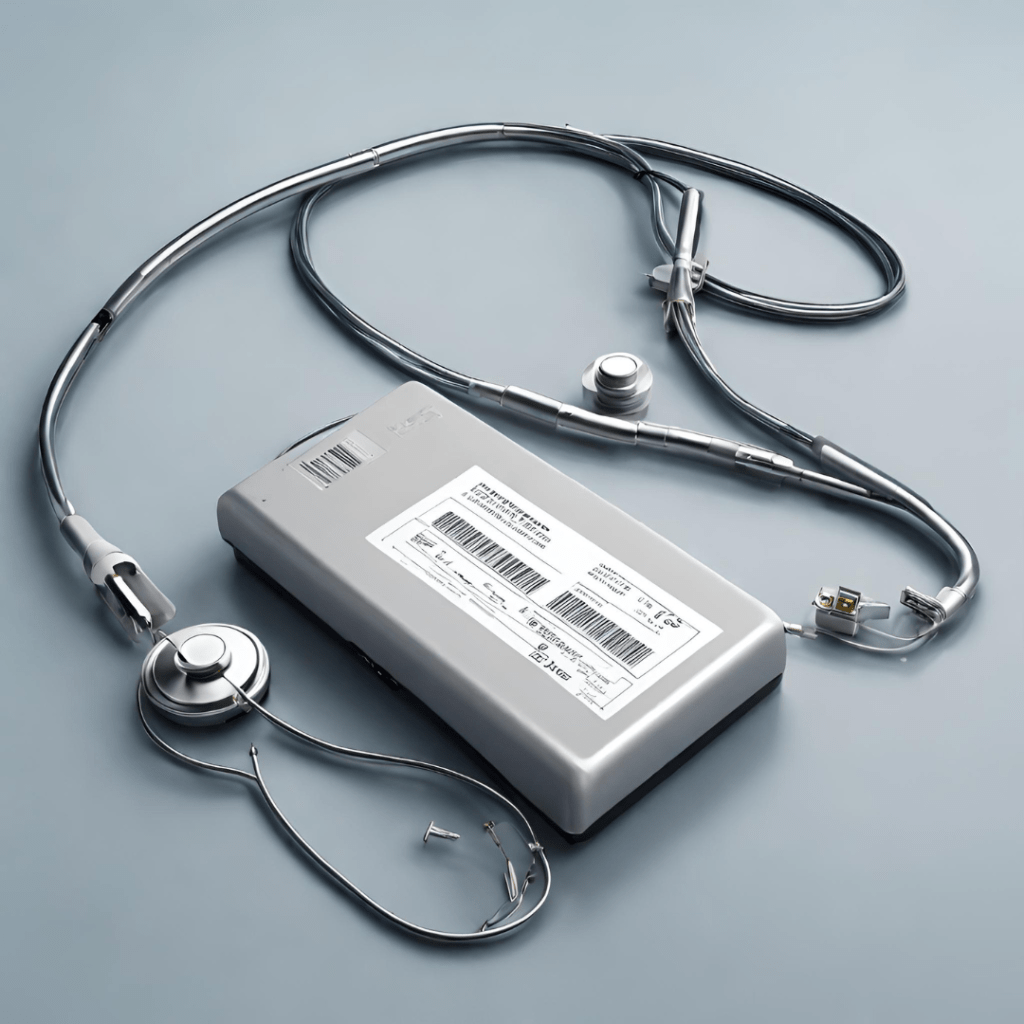
In the fast-paced world of medical device manufacturing, the importance of clear, accurate labeling cannot be overstated. Medical device labels serve as indispensable tools, providing vital information for safe device usage, ensuring regulatory compliance, and establishing manufacturer identification. In this article, we delve into the intricacies of medical device labeling, exploring its critical role in the healthcare landscape.
—
Importance of Medical Device Labeling: Ensuring Safety, Compliance, and Manufacturer Identification¹
Medical device labels serve as guardians of safety, offering essential instructions for proper device usage. From dosage guidelines to storage instructions, these labels provide users with crucial information to mitigate risks and ensure optimal outcomes.
Beyond safety, proper labeling is a cornerstone of regulatory compliance, demonstrating adherence to stringent guidelines mandated by regulatory bodies. Compliance with labeling requirements is not just a matter of legal obligation but also a testament to the manufacturer’s commitment to quality and patient safety.
Moreover, medical device labels serve as a means of manufacturer identification, providing users with vital details about the responsible entity behind the device. From contact information to registration numbers, these labels instill trust and accountability in consumers, fostering confidence in the products they use.
—
Compliance with Regulatory Labeling Requirements: Navigating the Regulatory Landscape²
In the United States, medical device labeling is governed by a complex framework of regulations, including the Fair Packaging and Labeling Act (FPLA) and the Federal Food, Drug, and Cosmetic Act (FFD & C Act). Compliance with labeling requirements outlined in Title 21 of the US Code of Federal Regulations (CFR) is essential for market approval and consumer trust.
Key requirements include the inclusion of manufacturer details, device purpose, instructions for use, and Unique Device Identification (UDI) in accordance with Part 830. Good Manufacturing Practices (GMPs) for labeling, as outlined in Subpart 820.120, ensure consistency and quality in labeling practices.
Similarly, in Europe, compliance with the European Medical Devices Regulation (EU MDR) is mandatory for marketing medical devices. Annex I of EU MDR delineates general safety and performance requirements, including specific labeling requirements for medical devices marketed in Europe.
—
Elements of Medical Device Labels: Understanding the Building Blocks³
Effective medical device labels comprise several essential elements designed to convey critical information clearly and concisely:
1. Device Diagram: A visual representation aids in product identification and differentiation, enhancing user-friendliness.
2. Unique Device Identifier (UDI): Mandatory for traceability, the UDI follows either GS1 or HIBCC formats, facilitating accurate tracking and post-market surveillance.
3. Manufacturer Details: Clear identification of the responsible entity, including name, address, and contact information, instills trust and accountability in consumers.
4. Part Number, Revision Number: Ensures the label’s status as a controlled document within the quality management system, facilitating version control and document management.
5. REF Number: Unique identifier assigned by the manufacturer for the device, facilitating internal tracking and inventory management.
6. Lot Number: Critical for traceability, the lot number enables effective management of product recalls and adverse events, ensuring swift resolution of issues.
7. Manufacture and Use By Dates: Essential for sterile and non-sterile devices, these dates determine the device’s shelf life and usability, preventing the use of expired products.
8. Symbols: Various symbols convey important instructions and warnings, enhancing user understanding and safety.
—
Conclusion: Elevating Medical Device Labeling to Ensure Safety and Compliance
In conclusion, medical device labeling plays a pivotal role in ensuring safety, compliance, and consumer trust in the healthcare industry. By adhering to regulatory requirements, incorporating essential elements, and leveraging best practices in labeling design, manufacturers can enhance the usability, effectiveness, and reliability of their medical devices. As the healthcare landscape continues to evolve, the importance of clear, accurate labeling remains paramount, safeguarding patient safety and driving innovation in medical device manufacturing.
Get article like this and more by Joining the Think MedTek Newsletter
Disclaimer:
The information presented in this article is for general informational purposes only and does not constitute professional advice. Readers are advised to consult with qualified professionals for guidance tailored to their specific circumstances, and the author and platform disclaim any liability for actions taken based on the information herein.
Sources
- https://tulip.co/blog/medical-device-labeling/
- https://www.scilife.io/blog/labeling-requirements-for-medical-devices
- https://www.meddeviceonline.com/doc/medical-device-packaging-labels-0001#:~:text=They%20are%20key%20to%20market,of%20FDA%2Dissued%20product%20recalls
Created with the help of ChatGPT
 ThinkMedTek
Leave a comment