
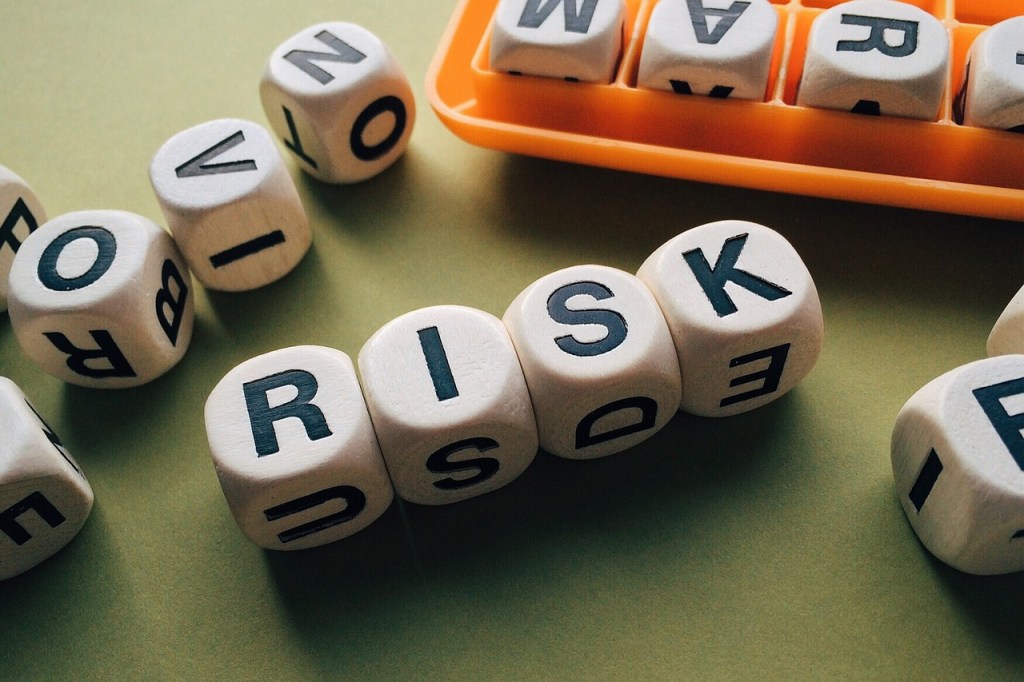
In the dynamic world of medical devices, innovation is a driving force that shapes the future of healthcare. Medical device startups are at the forefront of this innovation, creating cutting-edge technologies to improve patient care and revolutionize the industry. However, with great innovation comes great responsibility. The responsibility to ensure that these devices are safe, effective, and reliable. This is where risk management steps in, playing a pivotal role in the development and success of medical devices.
What is Risk and Risk Management?
What is Risk?¹
At its core, risk is defined as the possibility of loss or injury. We encounter risks in our everyday lives, from the moment we step into a car to the food we consume. It’s important to acknowledge that risk is inherent, and we all make choices that involve a level of risk. In the medical device context, risk can refer to potential harm to patients, users, or even the reputation of the company.
ISO 14971, an international standard for risk management in medical devices, defines risk as a combination of severity and probability. This means that the severity of the potential harm and the likelihood of that harm occurring are key factors in assessing and managing risks associated with medical devices.
What is Risk Management³
For medical device startups, risk management is not just a regulatory requirement; it’s a critical aspect of ensuring that your product is reliable, functions as intended, and poses no harm to users or patients. The main purpose of risk management is to mitigate or diminish the chances of device failure, thereby enhancing patient safety and product effectiveness.
ISO 14971 outlines a comprehensive framework for risk management in medical devices. This framework is designed to be integrated into the entire product development lifecycle, from conceptualization to post-market surveillance. It serves as a roadmap to identify, evaluate, control, and monitor risks associated with medical devices.
Risk Management Plan: Your Blueprint for Success
Creating a robust risk management plan is the cornerstone of effective risk management for medical device startups. This plan serves as a structured approach to ensure that risk management activities are carried out systematically and consistently.
Risk Management Procedure² The procedure within the risk management plan outlines the necessary steps and actions. It ensures that the right resources are available for risk management activities and clarifies who within the organization is responsible for conducting these activities. Additionally, a clear risk policy should be defined, guiding the company in its risk management efforts. This procedure also includes a review process to continually assess the effectiveness of risk control measures.
Risk Management Plan²: Each individual device or device family needs its own dedicated risk management plan. In some cases the procedure can serve as this plan when the company only has one device. These plans should outline detailed risk management steps, including hazard identification, risk estimation and evaluation, risk control strategies, ongoing monitoring, and reporting. Moreover, risk acceptability criteria and methods for risk control verification should be well-defined in the plan, ensuring that risk management efforts are aligned with safety objectives.
Criteria for a Risk Management Plan¹
When creating a risk management plan it should first include the scope. The should also encompass the intended use of the device and cover all risk management activities from design to post-production monitoring. Another important element is identifying the roles and responsibilities of key members of the project. Clearly outlining roles and responsibilities within the organization ensures that everyone understands their contributions to the risk management process. Moreover, establishing criteria for acceptability helps the team determine when a certain risk is within an acceptable range and when additional measures are required.
Risk Management Tools and Techniques: Navigating the Landscape ² ⁴
The world of risk management offers a variety of tools and techniques to help medical device startups effectively assess and control risks. These tools can be broadly categorized as bottom-up and top-down approaches.
Bottom-Up Tools: These tools focus on identifying hazards and risks from the ground up. Preliminary Hazard Analysis (PHA) and Failure Mode and Effects Analysis (FMEA) are examples of bottom-up tools that help you systematically evaluate potential risks associated with your medical device.
Top-Down Tools: These tools start with a broad perspective and delve into specific risk scenarios. Fault Tree Analysis (FTA) and Cause and Effect Diagrams help you understand the potential outcomes of various failures and the root causes behind them.
Other Tools: Beyond the traditional methods, FDA Benefit-Risk Analysis and brainstorming sessions can provide additional insights into risk assessment. Leveraging a combination of tools can enhance the depth and accuracy of your risk management process.
Controlling Risk: Layered Protection for Patients³ ¹
Controlling risk involves implementing layers of protective measures to ensure device safety. These layers can include design modifications, integration of protective features, and clear labeling and instructions for users.
Remember, design features should be prioritized over labeling. While labeling is important for conveying information, relying solely on it to manage risk may not be effective. Whenever possible, incorporate multiple risk controls to create a robust safety net for your device. Furthermore, ensure that your risk controls are closely tied to your design controls, making them an integral part of your overall product development process.
Identifying specific design outputs, conducting design verifications and validations, and integrating risk control measures can create a comprehensive approach to risk management that supports both safety and innovation.
Conclusion: Navigating the Risk Landscape
As a medical device startup, your commitment to innovation goes hand in hand with your responsibility to patient safety. Understanding, evaluating, and controlling risks through effective risk management is the compass that guides your journey. ISO 14971 serves as your roadmap, leading you through the essential steps of risk identification, assessment, and mitigation.
By creating a well-structured risk management plan, defining clear criteria, and employing a variety of risk management tools, you can confidently bring your innovative medical devices to market. Remember, risk is a part of progress, and managing it diligently ensures that your devices make a positive impact on healthcare while prioritizing patient safety above all else.
Sources
- https://www.greenlight.guru/blog/iso-14971-risk-management
- https://www.orielstat.com/blog/iso-14971-risk-management-basics/
- https://www.einfochips.com/blog/a-5-step-guide-to-risk-management-for-medical-devices/
- https://www.fda.gov/media/163915/download
Created with the help of ChatGPT
Image by WOKANDAPIX from Pixabay
 ThinkMedTek
Leave a comment