
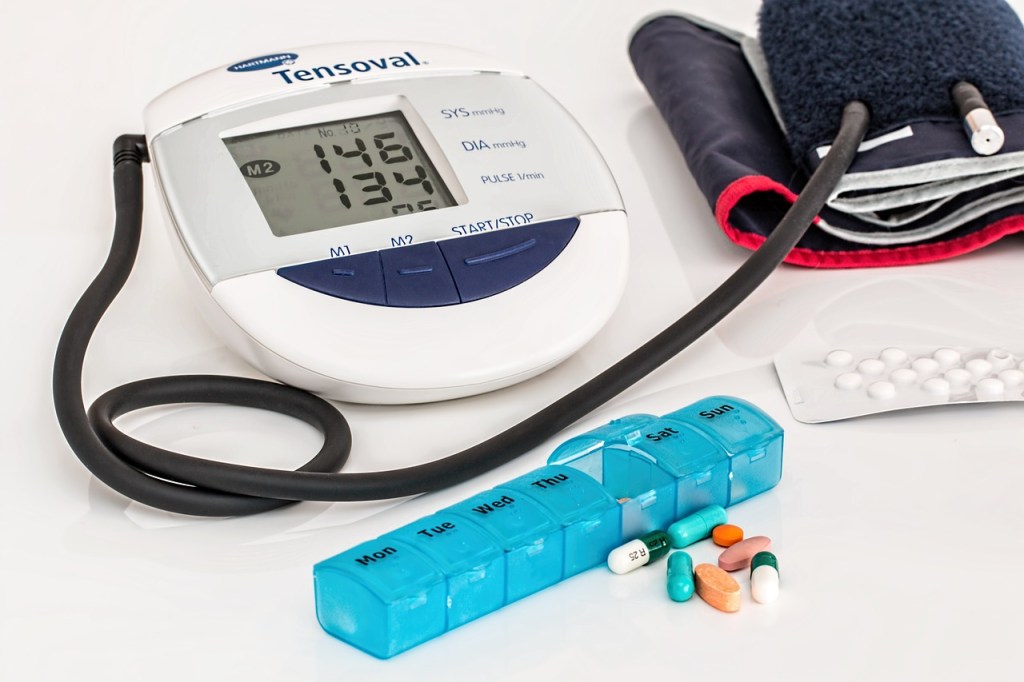
In an age where technology and innovation is constant, user experience (UX) has taken center stage in design philosophy. From our smartphones all the way to medical devices we use for diagnosis and treatment, UX plays a vital role in shaping our interactions with products, systems, and services. Let’s explore what UX is and how it is used in the medical device field
What is User Experience Design?(1)
At its core, User Experience Design refers to the perceptions and responses that individuals experience when using a product, system, or service as defined by The International Organization for Standardization (ISO). It is the culmination of a person’s emotions, attitudes, and expectations resulting from their interaction with a designed entity. As designers and engineers while we can’t control how people perceive or respond to a product, we can influence how the product looks and behaves.
User Experience in Medical Devices (2)
In the medical device industry user experience holds a critical position. Ensuring that users can safely and effectively operate medical devices is the primary goal of UX design for medical devices. While safety is a primary goal for UX, regulatory bodies like the U.S. Food and Drug Administration (FDA) acknowledge the importance of UX beyond safety by emphasizing the effectiveness of devices. This can go further than that it operates and can lead to a much deeper interpretation allowing for UX to be designed to maximum capability. For user experience, the effectiveness can transcend the physical attributes of the product; encompassing the entire ecosystem, including the company’s values, support, and services.
Principles and Tips for adding UX to your design
1. Transparency in Operation(3): Provide users with the ability to understand the operational status of the medical device at all times. Intuitive displays, clear indicators, and informative feedback contribute to a positive user experience, especially in critical medical situations.
2. Consistency(3): Maintain consistency not only within the product itself but also across your brand’s portfolio. Users appreciate familiar design elements and interactions, as they facilitate a seamless transition between different devices.
3. Wow Factor(3): While medical devices should prioritize functionality and safety, incorporating elements that evoke a “wow” factor can enhance the overall user experience. Thoughtful design elements, such as sleek interfaces and elegant form factors, can leave a lasting positive impression.
4. Standards and Guidelines(2): Leverage industry standards like IEC 62366-2, which provide guidance for applying usability engineering to medical devices. Adhering to established norms ensures that your designs align with best practices and regulations.
5. User-Centered Design Philosophy(2): Infuse a user-centered design philosophy throughout your company. Empathize with the end-users, involve them in the design process, gather feedback, and iterate accordingly. This approach fosters a deep understanding of user needs and preferences.
Conclusion
In the medical device industry, user experience is far more than just aesthetics; it’s about delivering safe, effective, and meaningful interactions. Balancing the technical intricacies of medical devices with an intuitive and pleasant user experience is a challenge that demands a harmonious blend of functionality and design aesthetics. By adhering to principles such as transparency, consistency, and user-centered design, medical device designers can create products that not only meet regulatory standards but also resonate positively with users, contributing to improved patient outcomes and overall satisfaction.
Sources:
- https://www.interaction-design.org/literature/topics/ux-design#:~:text=The%20user%20experience%20(UX)%20is,the%20best%20possible%20user%20experience.
- https://www.mindflowdesign.com/insights/human-factors-engineering-vs-ux-medical-device/
- https://www.mddionline.com/design-engineering/medical-device-design-3-practical-tips-great-user-interface-and-user-experience
Written with the help of ChatGPT
Image by Steve Buissinne from Pixabay
 ThinkMedTek
Leave a comment