
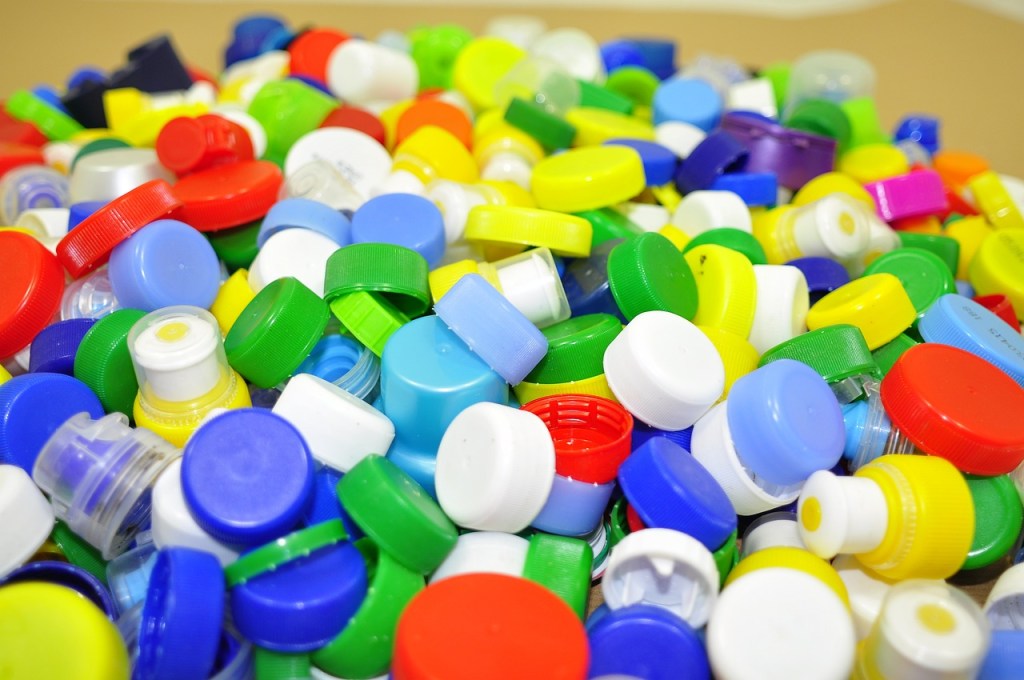
Plastic is an indispensable part of our modern lives, found in virtually every aspect of our daily routines. From the packaging that preserves our food to the devices we use for communication and entertainment, plastics have become an essential element of contemporary society. In this article, we will delve into the world of plastics, understanding their composition, history, diverse applications, and the various fabrication processes that bring them to life.
What is Plastic?¹
Plastic is a synthetic or semi-synthetic material made from polymers, which are long chains of molecules. Plastics are usually derived from petrochemicals or natural substances like cellulose or starch. These polymers are molded into a wide range of shapes, making plastics highly adaptable for different purposes.
One of the key reasons for the widespread use of plastics is their durability, low cost, and ease of manufacturing. They come in countless types, each with unique properties and characteristics. Some common types of plastics include polyethylene, polypropylene, PVC, PET, polystyrene, and nylon. Plastics can be broadly categorized into two main groups: thermoplastics and thermosets. Thermoplastics can be molded, melted, and remolded repeatedly, while thermosets cannot be reprocessed once they have undergone curing.
History of Plastics²
The journey of plastics dates back to the mid-19th century. In 1862, Alexander Parkes introduced the first man-made plastic, known as Parkesine. It was used in everyday consumer products as a substitute for ivory or tortoiseshell. The next significant advancement came from John Wesley Hyatt, who created celluloid plastic as the successor to Parkesine. Celluloid found its place in the movie and photography industry, revolutionizing these fields.
In 1907, Leo Hendrik Baekeland developed a groundbreaking synthetic polymer called Bakelite. He eventually coined the term “plastic” in 1909. Bakelite’s properties, such as its heat and electrical resistance, made it highly valuable for various applications, including cameras, telephones, and electrical devices. Subsequent to Bakelite, PVC (polyvinyl chloride) was patented in 1914. It was not until World War I that plastics gained significant traction. By World War II, new types of plastic resins were developed, leading to their wide-scale use in diverse industries.
Applications of Plastics¹
The versatility of plastics has led to their adoption in an extensive array of applications across various sectors. Some prominent examples include:
1. Toys: Plastic in toys is popular due to its durability, lightweight nature, and ability to withstand wear and tear, making it an ideal material for children’s play.
2. Electronics: Plastics are non-conductive, making them a safe and reliable choice for electronic devices and components.
3. Automotive: The automotive industry benefits from the use of plastics due to their lightweight yet durable nature, contributing to improved fuel efficiency and reduced overall vehicle weight.
4. Construction: Plastics offer multiple advantages in construction, including being economical, possessing a high strength-to-weight ratio, cost-effectiveness, durability, low maintenance, and corrosion resistance.
5. Textiles: Plastics can be transformed into synthetic fibers, providing an alternative to natural fibers for textiles.
6. Packaging: Plastics are adaptable, hygienic, lightweight, flexible, and durable, making them the material of choice for various packaging applications.
7. Medical Devices: Plastics are favored for medical devices due to their ability to be molded into complex shapes, biocompatibility, and cost-effectiveness.
Fabrication Processes of Plastics³
The fabrication processes used to shape plastics into their desired forms are diverse and tailored to specific applications. Some common plastic fabrication methods include:
1. Injection Molding: This is the most prevalent plastic forming process, where molten plastic is injected into a closed mold or chamber. The process involves heating, injecting the plastic, cooling, and releasing the final product.
2. Casting: In this method, liquid plastic is poured into a mold without pressure. The steps include liquefying the plastic, pouring it into the mold, vacuuming any air bubbles, hardening, and finally releasing the solidified product.
3. Blow Molding: This process creates hollow plastic products by inflating molten plastic inside a mold. The steps include heating the plastic, clamping it into the mold, inflating the plastic to take the shape of the mold, and ejecting the finished product.
4. Rotational Molding: Rotational molding is used to produce hollow and seamless products. The process involves spreading molten plastic on the inner surfaces of a mold during rotation. The steps include loading the plastic, melting it, cooling, and unloading the final product.
5. Compression Molding: This method shapes plastic by pressing it against two molds. The steps include placing the plastic in the mold, compressing it, curing, and finally releasing the product.
6. Extruding Plastics: This process involves forcing molten plastic through a die to create continuous shapes. The steps include feeding the raw material, heating, pressurizing, and curing the plastic.
7. Ram Extruded Plastics: Ram extrusion utilizes powder as the raw material, which is fed into the extruding chamber by gravity. It can be done horizontally or vertically.
8. Calendering Plastics: This process involves heating and rolling plastic into films, sheets, or coatings. The steps include heating the plastic, squeezing it into the desired shape, rolling, and cooling.
9. Thermoforming: Thin sheets of plastic are heated and stretched over a mold to create the desired shape. The steps include heating, forming, cooling, and trimming the product.
10. Spinning: In this process, plastic strands are twisted and stretched into fibers. The steps include liquefying the plastic, pumping it through spinnerets, spinning the fibers, and cooling the final product.
Conclusion
Plastics have revolutionized the modern world with their versatility, convenience, and adaptability. From their humble beginnings in the 19th century to the diverse range of applications seen today, plastics have become an integral part of our lives. With ongoing advancements in technology and sustainability efforts, the future of plastics holds great promise for continued innovation and eco-friendly solutions. Understanding the history, applications, and fabrication processes of plastics helps us appreciate their importance and the need for responsible plastic usage in building a sustainable future.
Sources:
- https://www.xometry.com/resources/materials/what-is-plastic/
- https://www.chemicalsafetyfacts.org/chemistry-101/an-introduction-to-plastics/
- https://www.iqsdirectory.com/articles/plastic-material.html#:~:text=Plastic%20materials%20are%20synthetically%20produced,nitrogen%2C%20oxygen%2C%20and%20sulfur.
Written with the help of ChatGPT
Image by Artur Konik from Pixabay
 ThinkMedTek
Leave a comment